[fusion_title hide_on_mobile=”small-visibility,medium-visibility,large-visibility” class=”” id=”” content_align=”left” size=”1″ font_size=”” line_height=”” letter_spacing=”” margin_top=”” margin_bottom=”” margin_top_mobile=”” margin_bottom_mobile=”” text_color=”” style_type=”underline solid” sep_color=”#e0e0e0″]

Hair loss in women: the common internal causes

Thinning hair or hair loss

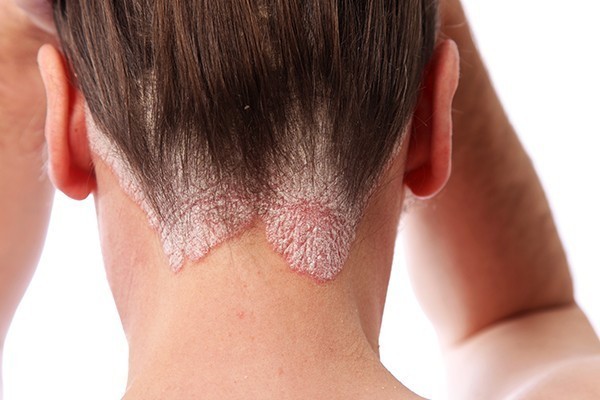
Research shows that many women will suffer from thinning hair or temporary hair loss at some point in their life and they want to know- why? Thinning hair or hair loss is difficult to attribute to just one thing. There are numerous reasons for a hair loss in women. However, it is difficult to trace the actual root problem linked to internal and external factors of thinning or loss of hair. In this article, we focus on the internal factors.
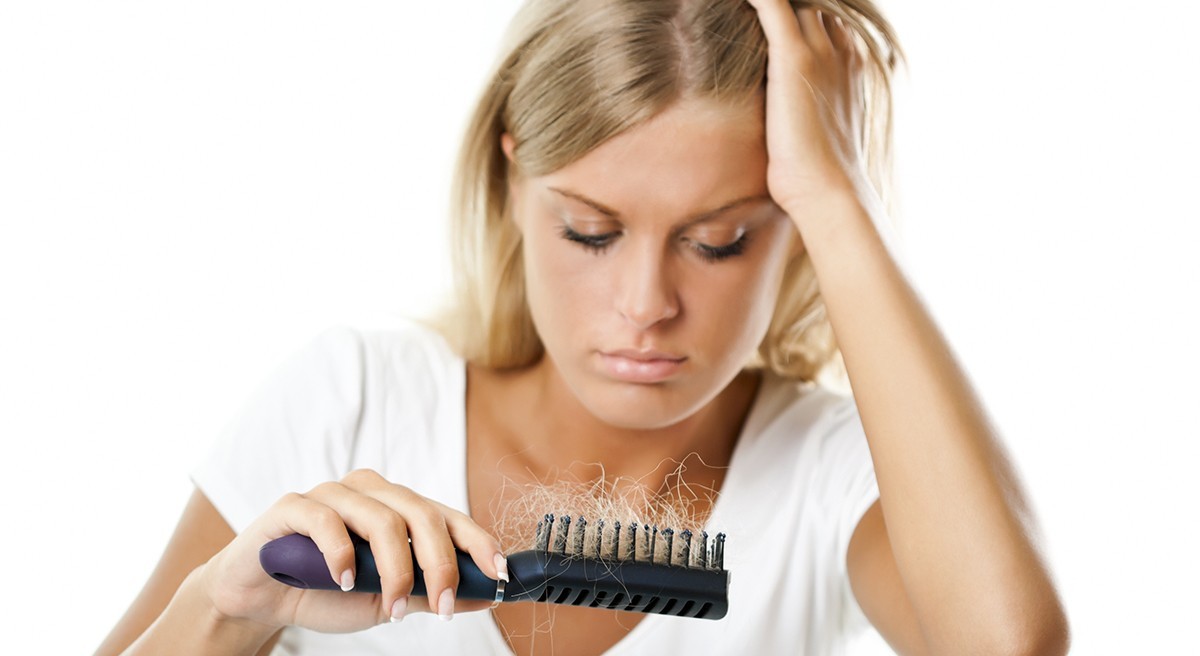
chute de cheveux causes internes[fusion_separator style_type=”none” hide_on_mobile=”small-visibility,medium-visibility,large-visibility” class=”” id=”” sep_color=”” top_margin=”35″ bottom_margin=”” border_size=”” icon=”” icon_circle=”” icon_circle_color=”” width=”” alignment=”center” /]

Hair loss in women: the internal factors

1.Medication

Taking strong medication is one of the leading culprits of hair loss in women. Drugs or specific medical treatments can have an aggressive effect on the body. Typically, severe hair loss is witnessed several days or months later. Read about medication related hair loss.

2. Hormonal imbalances

Hormonal imbalances or disorders have a direct link to our glands. Our glands play a significant role in how we function daily. Menopause or puberty may also upset the balance of the skin resulting in abnormal hair loss. Read more about hormonal imbalances here.

3. Dietary deficiencies

Our diet plays a vital role in how our skin and hair look. Poor nutrition or a lack of vitamins and minerals can take a toll on the body. Nutritional deficiencies have a direct link on the production of sebum which indirectly causes hair loss. Read more here.

4. Alopecia

Alopecia areata (spot baldness) is a condition that causes patchy bald spots. It’s one of the leading causes of damage to the hair follicles, and thus loss or thinning of hair. Although the reasons are unclear, alopecia is usually associated with emotional shock as a trigger that eventually leads to circular or patchy hair spots. Read more about this condition in detail.

5. Trauma or shock

Traumatic or shocking experiences can trigger the hair to loosen. A shock to the body can be aggressive and thus negatively impact hair growth. A shock to the system (due to major surgery or if you experience sudden trauma)  can cause thinning hair or loss of hair. This type of shock is only evident a few months later. Another type of shock is due to the use of anesthesia. Strong and powerful drugs affect the proper functioning of nerves preventing cell stimulation and reproduction.

[fusion_title hide_on_mobile=”small-visibility,medium-visibility,large-visibility” class=”” id=”” content_align=”left” size=”2″ font_size=”” line_height=”” letter_spacing=”” margin_top=”” margin_bottom=”” margin_top_mobile=”” margin_bottom_mobile=”” text_color=”” style_type=”single solid” sep_color=”#e0e0e0″]

Related products

huile essentielle antichute HAIRBORIST

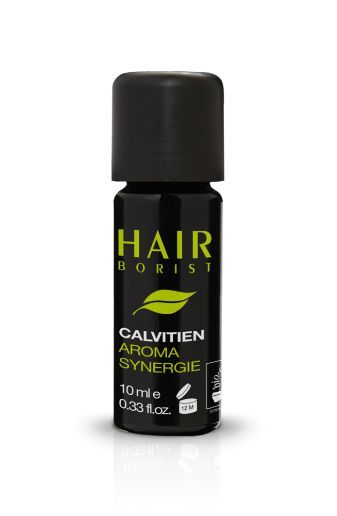
Aromasynergie Calvitien

shampooing cuir chevelu sensible sensity hairborist

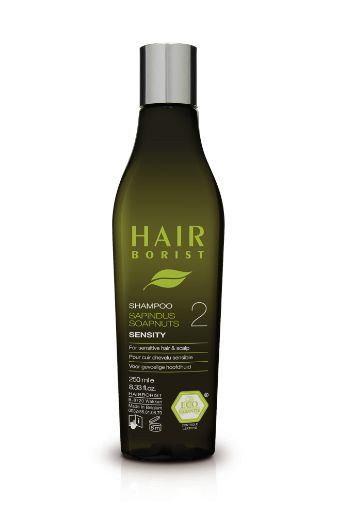
Sensity Shampoo

genetic traitement contre la perte de cheveux

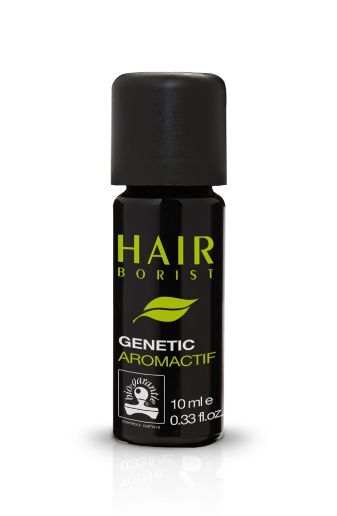
Aromactif Genetic

Similar articles

Why do I have greasy hair? The 8 most common causes

Are you wondering why your hair gets greasy so quickly, even though you wash it regularly? In this article, you will discover the 8 most common causes of greasy hair and an oily scalp. From hormones and stress to overwashing, product buildup, and the wrong hair care products, you will understand step by step what causes hair to become greasy quickly and what you can do to bring your scalp back into balance.

How can you tell if your scalp is producing too much sebum?

Does your hair get greasy quickly and lose volume fast at the roots? Then the cause often lies in your scalp. Discover how to tell whether your scalp is producing too much sebum, what the signs are, and how to restore balance for fresh, light, and healthy hair.

cheveux gras et pointes sèches, le problème des cheveux mixtes
Oily roots and dry ends: how to rebalance combination hair?

Do you have oily roots but dry ends? You’re far from alone. This imbalance, known as combination hair, is one of the most common hair concerns… and yet, it is often misunderstood. Why? Because most conventional haircare products fail to address the root of the problem. In this article, discover why your hair gets greasy quickly while your lengths remain dry… and most importantly, a simple and effective method to rebalance your combination hair for the long term.